


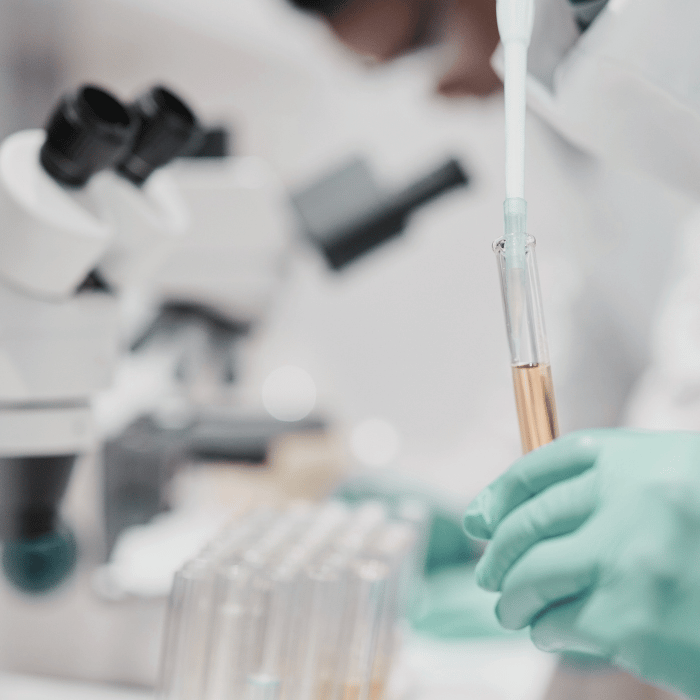
Transport as Part of the Experimental Workflow
Advanced cell models such as organoids and other 3D cell models, co-cultures, primary cells, and organ-on-a-chip systems, are increasingly important in drug discovery and preclinical research. Their biological complexity also makes them highly sensitive to environmental changes during transport.
Variations in temperature, carbon dioxide (CO2), and handling may affect cell viability, morphology, and functional performance. Maintaining controlled transport conditions helps support model integrity, assay reproducibility, and data comparability across laboratories and research sites.
From Cell Culture to Experiment
The transport phase connects established cell cultures with downstream assays, imaging, functional testing, and collaborative research.
Primary packaging, duration, route, and conditions at the receiving laboratory all affect how smoothly this transition happens.

Primary Packaging
The right choice of primary packaging for preclinical and drug discovery samples is determined by several factors, including cell model, culture format, medium volume, gas exchange requirements, transport duration, and downstream application.
Why Transport Conditions Matter
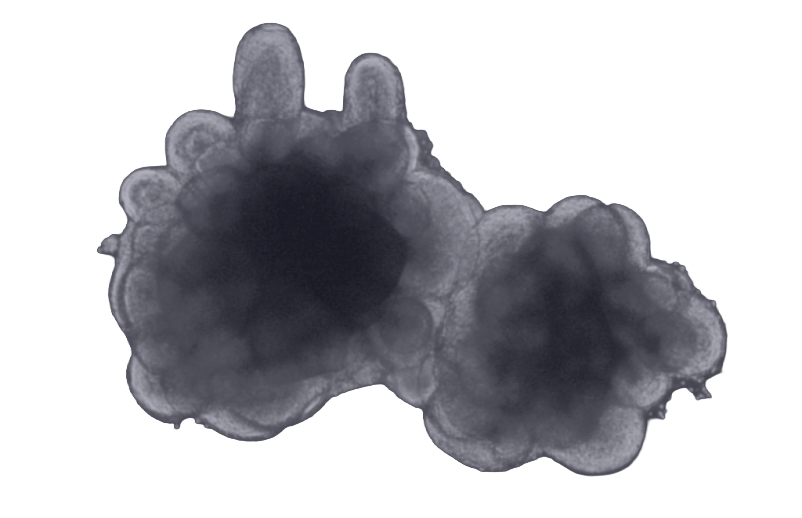
What happens between cultivation and experimental use can become part of the experimental context. Transport duration, environmental conditions and handling may influence cell state, recovery requirements and readiness for downstream assays.
Where Cellbox™ Supports Your Research
Cellbox™ incubators maintains defined temperature and CO2 conditions throughout transport. Cell models remain in a controlled, culture-like environment until they reach the receiving laboratory.
Build to protect what matters
From lab to destination — precise environmental control engineered for the full spectrum of NAMs.
Temperature &
CO2 Control
Cellbox™ CO2 transport incubator keeps temperature and carbon dioxide precisely where you set them, no matter what is happening outside the box. Especially for cell material which is sensitive to fluctuations, a stable homogeneous environment throughout the incubation chamber is essential during transport.
Sensing &
Gas Supply
Beyond temperature and CO2, Cellbox™ continuously tracks O2, pressure, tilt, and acceleration, giving a complete picture of every shipment's environmental and mechanical history. CO2 supply is matched to the transport mode, using a disposable cartridge for ground transport or dry ice sublimation with active pressure compensation for air transport.
Mechanical Stability
Shock and tilt events during transport put cells at risk, making proper packaging and transport media essential. Unlike a stationary incubator cabinet, our incubators protect your cells with impact-absorbing EPP foam and built-in sensors that track every movement.
Monitoring &
Documentation
Through data logging, the portable incubation chamber enables real time visibility of the environment inside the box throughout the journey. And when your workflow demands full traceability, our 21 CFR Part 11-compliant logging ensures complete documentation.
Use Cases
Live Cell Transport in Practice


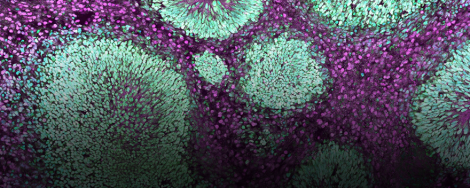
Advancing Neuroscience Research Through Safely Delivered Collaboration
» ..this approach paves the way for more extensive, multi-site research efforts.. «


Talk to our team
Talk to our team
If you would like to discuss your workflow or application, feel free to reach out.
Contact Form